
Open Source Licenses Explained: What You Can and Can't Do With Free Software
FOSS licenses explained for developers and self-hosters: MIT vs GPL vs AGPL vs Apache 2.0, copyleft vs permissive, and what recent license changes mean for you.
All the articles with the tag "security".
FOSS licenses explained for developers and self-hosters: MIT vs GPL vs AGPL vs Apache 2.0, copyleft vs permissive, and what recent license changes mean for you.

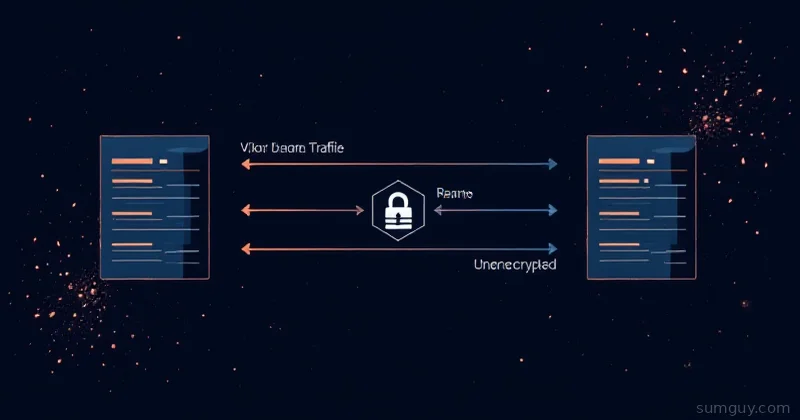
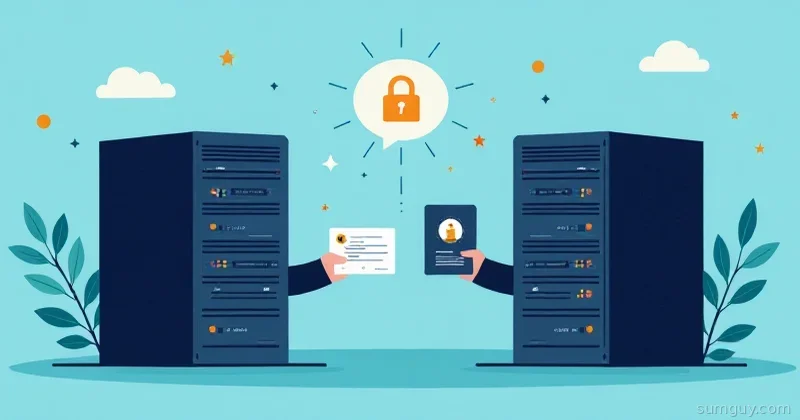
Mutual TLS (mTLS) explained for mortals: how both sides authenticate, setting up step-ca for internal PKI, generating client certs, and configuring nginx with mTLS.
Hide your SSH port from scanners with port knocking. It's not a replacement for security, but it's a valid defense-in-depth tactic.
You turned the VPN on and half your traffic still leaves over the normal route. How VPN routing works, reading the routing table, and forcing all traffic.
Kernel live patching applies CVE fixes to a running kernel with no reboot, using kpatch or Canonical Livepatch. Setup for Ubuntu and RHEL, plus what it can't fix.
Your DNS queries go out in plain text, so your ISP logs every site you visit. This covers how DoH, DoT, and DoQ fix that, and how to self-host with AdGuard Home.
You don't need a GUI to see network packets. Learn tcpdump filters, flags, and pcap capture to debug servers from the command line, no Wireshark needed.
AppArmor vs SELinux: what mandatory access control actually does, writing AppArmor profiles with aa-genprof, SELinux labels and audit2allow, and when to use each.
Linux entropy pools decide how fast a box generates SSH keys and TLS certs. What haveged, virtio-rng, and hardware RNG fix on a freshly booted VM.
Advanced Caddy server configuration: wildcard certs, Caddyfile matchers, Docker label integration, rate limiting, forward auth with Authelia, and the JSON API.
Set up auditd to log every sudo command and file change on Linux: auditctl rules, ausearch, aureport, and shipping logs to Loki or Elasticsearch for compliance.
HashiCorp Vault tutorial: KV v2 secrets, AppRole auth, dynamic database credentials that auto-expire, a PKI certificate authority, and auto-unseal with cloud KMS.