

Linux Audit Log: What's Really Happening on Your Server
auditd logs every system call, file access, and command run on your Linux server. Learn ausearch, aureport, and how to write audit rules that catch it.
All the articles with the tag "security".
auditd logs every system call, file access, and command run on your Linux server. Learn ausearch, aureport, and how to write audit rules that catch it.

One syntax error in /etc/sudoers locks everyone out of root. Use visudo, read the syntax properly, avoid the common mistakes, and know what NOPASSWD gives.

Incomplete chains, bundles in the wrong order, and self-signed certs all read as untrusted. Diagnose with openssl s_client, then rebuild the chain properly.

Certificates expire silently and take the site with them. Check expiry with openssl, automate the check with cron or Uptime Kuma, and audit every cert.
Firewall rules are evaluated top-down, first match wins. One misplaced ALLOW rule above your denials silently defeats all your security. Here's the fix.
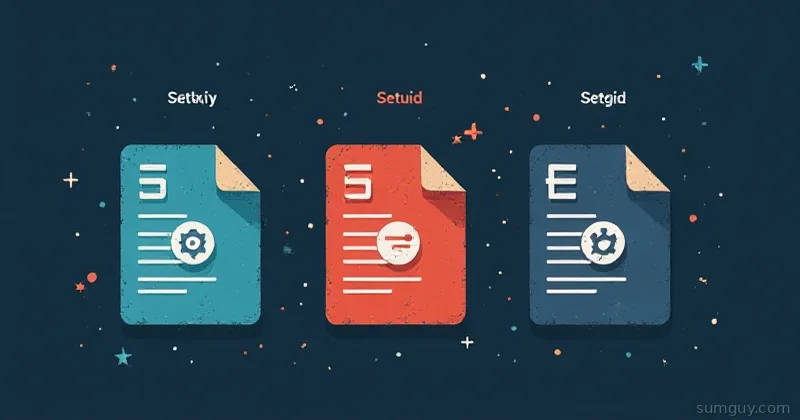
Understand sticky bit, setuid, and setgid: what they do, how to set them, security implications, and real-world use cases.

Verify fail2ban is protecting you: check jails, test bans, monitor logs, common misconfiguration, and unban IPs when needed.

SSHFS mounts remote filesystems over SSH so you can browse and edit files locally, faster than scp for interactive work.
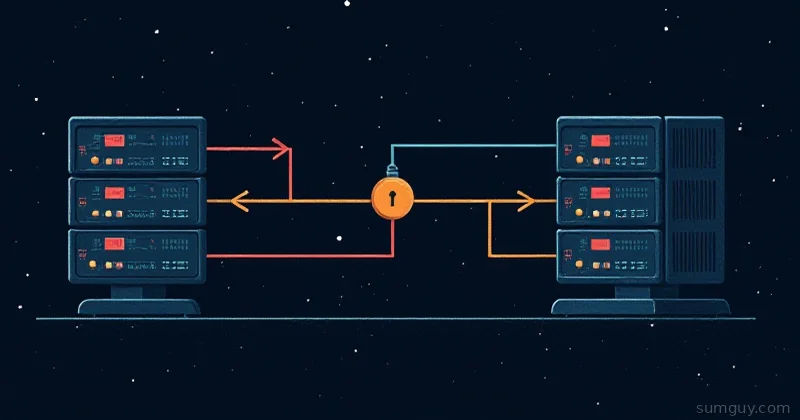
Understand SSH agent forwarding security risks. When it's safe (almost never), and better alternatives like ProxyJump for jump hosts.

ENV bakes secrets into image layers that docker history shows to anyone. Use BuildKit secret mounts, runtime variables, or a real secrets manager.
Understand Linux umask: what it is, how 022 and 027 work, calculating file permissions, and why it matters for shared directories and security.

Containers run as root by default, which is a real security problem. The USER instruction, numeric UID/GID, the volume mount gotcha, and distroless bases.