
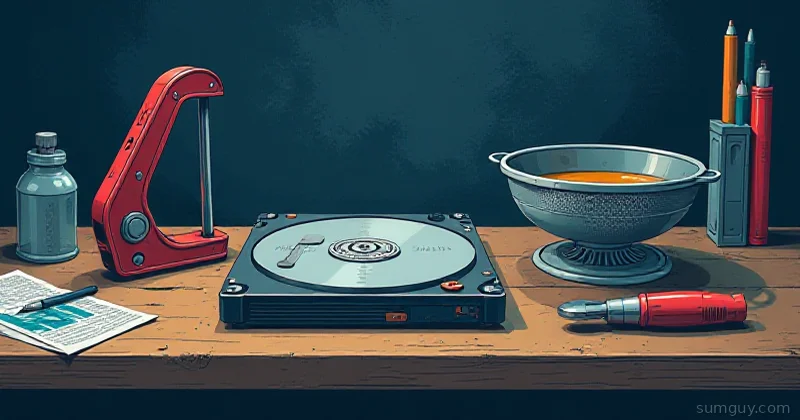
ddrescue vs TestDisk vs PhotoRec
Drive is dying. Which tool do you reach for? ddrescue clones, TestDisk repairs partitions, PhotoRec carves files. They're a workflow, not rivals.
All the articles with the tag "storage".
Drive is dying. Which tool do you reach for? ddrescue clones, TestDisk repairs partitions, PhotoRec carves files. They're a workflow, not rivals.
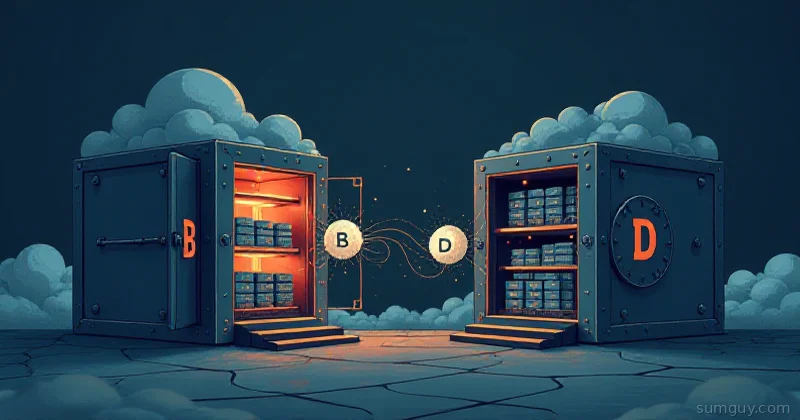
Borg is open-source classic with SSH targets. Duplicacy has lock-free multi-source magic but commercial GUI. Here's which backup tool to pick.

rclone copies and syncs files to cloud storage. Restic does deduplicated encrypted snapshots. Confusing them costs you restores at 2 AM.
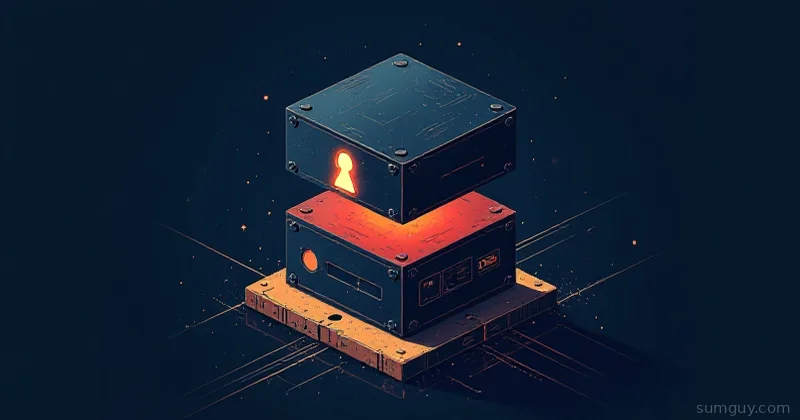
Native ZFS dataset encryption vs LUKS under your pool, which layer to encrypt at, performance trade-offs, key management, and raw send/recv.

Dropbox got expensive and your data left the building. Syncthing, Resilio Sync, and Seafile compared, pick the one that fits your threat model.
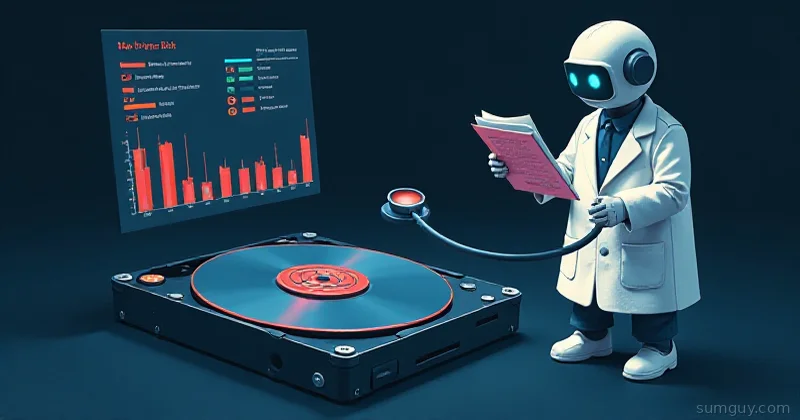
Disks fail. SMART tells you when. Here's how smartctl and smartd actually predict failure, and the attributes that matter (most don't).
Stop trusting marketing IOPS numbers. fio measures what your disk actually does on your workload, sequential, random, mixed. Here's how to read the output honestly.

Backblaze B2 plus rclone builds a tiered home lab backup that survives AWS egress fees. Bucket layout, lifecycle rules, and the restore test people skip.

Ceph on 3 nodes: real hardware requirements, honest performance tradeoffs, and exactly when distributed storage beats a plain NFS share for your home lab.
Set up Snapper on Btrfs to auto-snapshot before every system update, roll back broken machines in minutes, and never lose a working root filesystem again.

sanoid manages ZFS snapshot policies automatically, syncoid replicates them over SSH to remote pools, together they're the lowest-effort offsite backup strategy for any ZFS user.
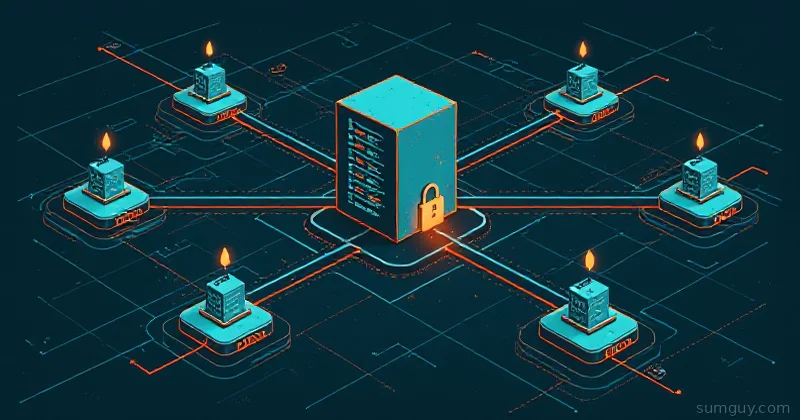
Stop letting every machine write directly to S3. Kopia repository server gives you shared dedup, per-host auth, and sane maintenance, all in one place.