
iperf3 + nload: Network Diagnosis
Your gigabit link drops to 200 Mbps and you don't know why. iperf3 measures throughput honestly, nload visualizes traffic, together they find the bottleneck fast.
All the articles with the tag "self-hosting".
Your gigabit link drops to 200 Mbps and you don't know why. iperf3 measures throughput honestly, nload visualizes traffic, together they find the bottleneck fast.

Stop staring at a Plex library that looks like a clearance bin. Kometa (formerly Plex Meta Manager) automates collections, posters, overlays, and bulk ratings.

Dropbox got expensive and your data left the building. Syncthing, Resilio Sync, and Seafile compared, pick the one that fits your threat model.
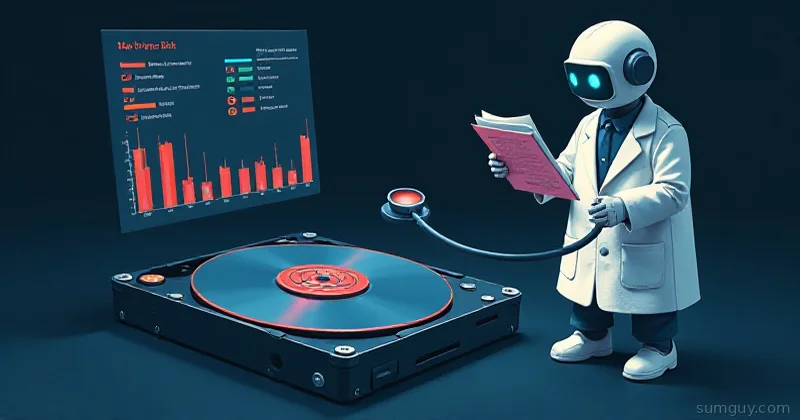
Disks fail. SMART tells you when. Here's how smartctl and smartd actually predict failure, and the attributes that matter (most don't).
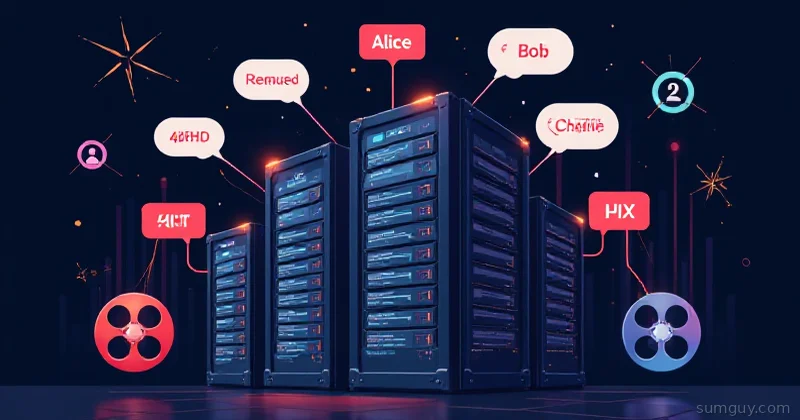
Stop guessing whose request is clogging your 4K library. Jellyseerr tags + Sonarr/Radarr + Maintainerr = real per-user quota control that actually holds up.
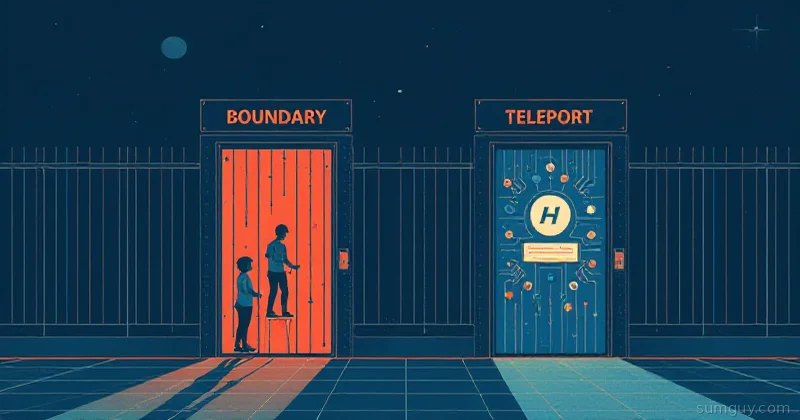
Zero-trust access for SSH, k8s, and databases, HashiCorp Boundary vs Teleport compared on identity, session recording, and self-host fit.

Sonarr handles TV. Radarr handles movies. But who handles comics and adult content? Meet Mylar3 and Whisparr, the *arr apps nobody talks about, until now.

Dify is an open-source LLM-app builder you can self-host. Visual workflow editor, RAG, agents, tool use, without writing 500 lines of LangChain glue.

LazyLibrarian vs Readarr for ebook and audiobook automation in 2026, why Readarr got retired, what to run instead, with real Docker Compose configs.

TLS tunneling for legacy plaintext services, stunnel's X.509 cert model vs spiped's pre-shared key simplicity, and when each one actually wins.
OpenRouter is a hosted gateway, LiteLLM a self-hosted proxy, and Stripe now owns one of them. Which one belongs in your home lab as of August 2026?
Google Photos went paid and the alternatives matured fast. Immich, PhotoPrism, and Ente: which self-hosted photo library actually fits your life in 2026?