
ControlNet & LoRA: Advanced Image Control
Master ControlNet and LoRA for precise image generation control in Stable Diffusion. Learn Canny edges, depth, pose, scribbles, tiling, and style stacking in ComfyUI.
All the articles with the tag "self-hosting".
Master ControlNet and LoRA for precise image generation control in Stable Diffusion. Learn Canny edges, depth, pose, scribbles, tiling, and style stacking in ComfyUI.
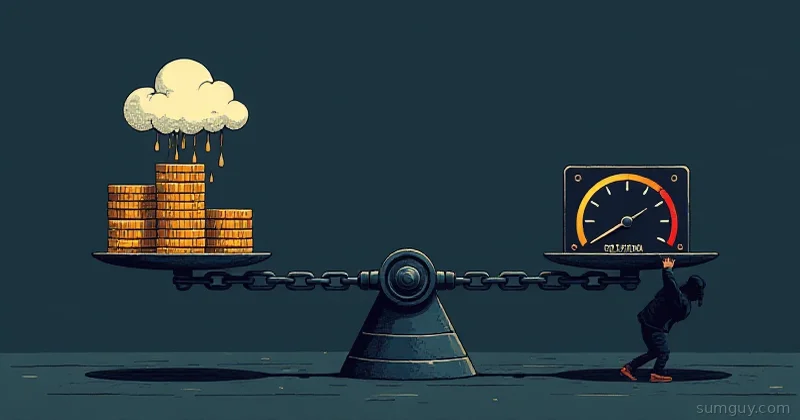
API vs self-hosted LLM cost reality, GPU TCO, privacy, latency, break-even math. When paying OpenAI/Anthropic wins. When local wins.

Free AI image generators win on convenience but lose fast on volume, style consistency, and control. Here's the real break-even against running your own GPU.

RAG beyond dense embeddings: BM25 lexical search, hybrid retrieval (RRF, weighted fusion), cross-encoder re-rankers (BGE, Cohere, Jina). When pure vector search fails.

Drop Docker's daemon entirely. Podman rootless containers with podman-compose, drop-in compatibility, daemonless orchestration, and where it bites you.

3-2-1 backups aren't enough anymore. The 3-2-1-1-0 rule adds immutable & offline copies plus verified restores, here's how to implement it.
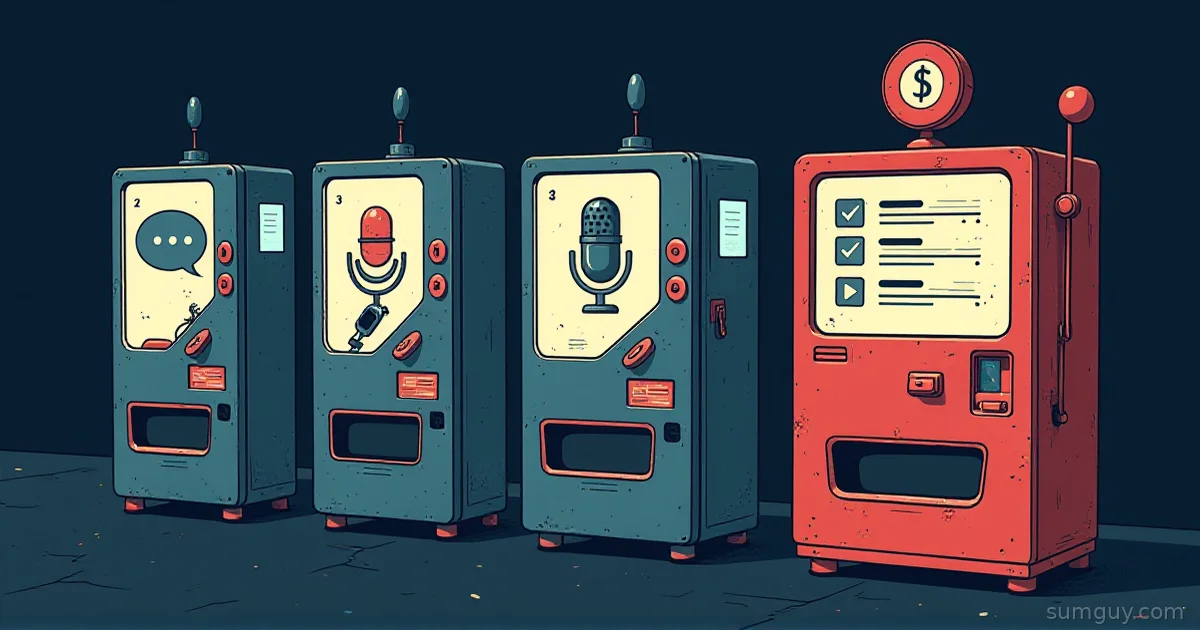
A capability map of what's free from AI providers in 2026: chat, APIs, image generation, speech tools, and coding help, with the real quotas.
Run dbt-core free with Postgres, DuckDB, or ClickHouse. SQL transformations, tests, docs, and star schemas without the dbt Cloud price tag.
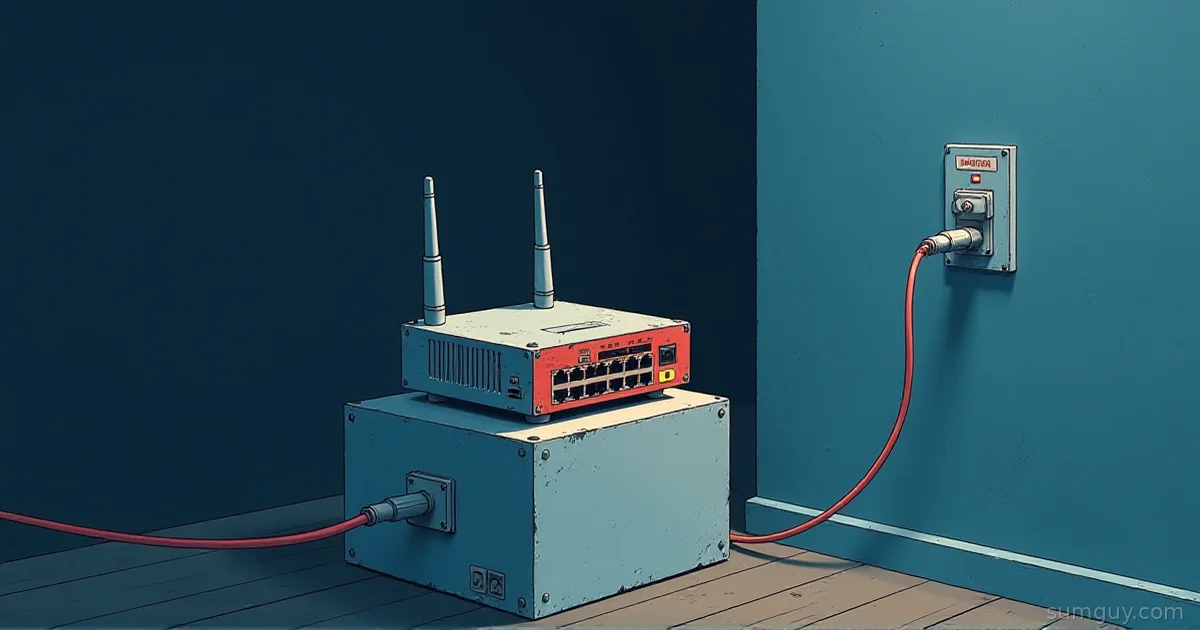
Your ISP's box doesn't have to run your network. How to find bridge mode, dodge double NAT, and hand real routing duty over to a MikroTik router instead.
SigNoz gives you logs, metrics, and traces in one ClickHouse-backed app. The Grafana LGTM stack gives you four. Here's how to pick the right one.

Audiobookshelf vs Booksonic: which self-hosted audiobook server wins? ABS takes it for most homelabbers. Here's why, and when Booksonic still makes sense.
Browser-Use and Skyvern let LLMs drive real browsers via natural language goals. Here's what they can actually do, where they break, and when Playwright is still the right call.