
OpenRouter vs LiteLLM
·
Updated:
OpenRouter is a hosted gateway, LiteLLM a self-hosted proxy, and Stripe now owns one of them. Which one belongs in your home lab as of August 2026?
All the articles with the tag "llm".
OpenRouter is a hosted gateway, LiteLLM a self-hosted proxy, and Stripe now owns one of them. Which one belongs in your home lab as of August 2026?
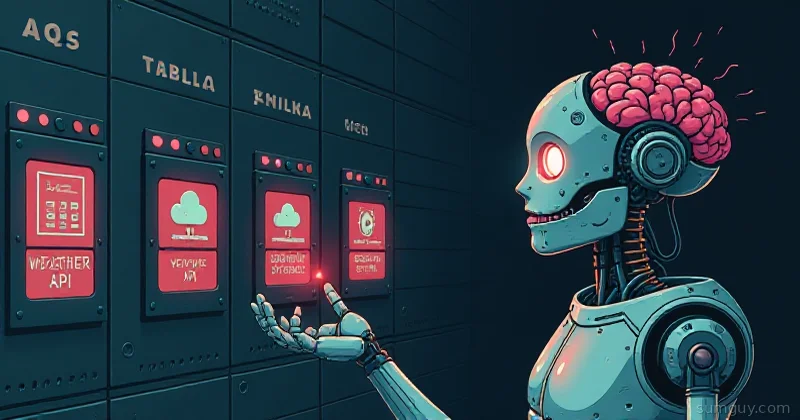
Local LLMs can call tools, query APIs, and run code if you set them up right. Function calling on Ollama and llama.cpp explained, patterns that actually work.
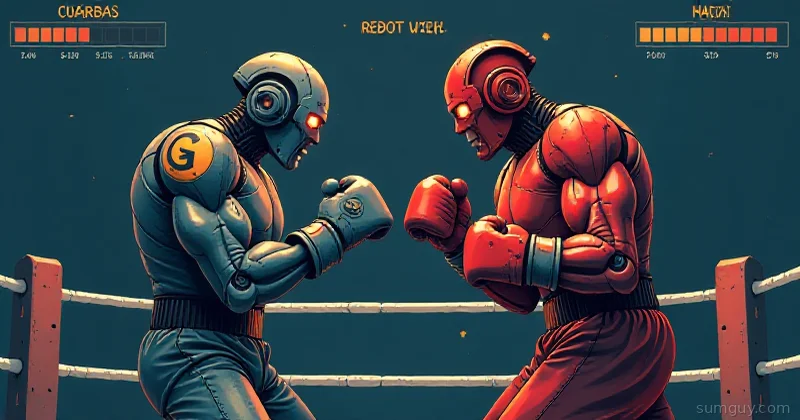
Gemma 4 vs Qwen3.6: sizes, reasoning, coding benchmarks, and which model you should actually pull for your home lab rig.

AnythingLLM is the closest thing to a real private NotebookLM you can self-host. Workspaces, RAG, agents, document chat, running locally on Ollama in 20 minutes.

Pixtral, Qwen3-VL, and Gemma 4 compared for local multimodal use in 2026. LLaVA is dead; here's what to run in Ollama for OCR, screenshots, and vision tasks.

Model Context Protocol turns your LLM into a tool-using agent, file access, APIs, your home lab. Build your first MCP server in under 50 lines of Python.

Most RAG demos look great until you ship them. Ragas measures faithfulness, context precision, answer relevancy, the metrics that actually predict user trust.

How tiny 7B and 8B models keep punching above their weight, knowledge distillation, the teacher-student trick that makes local AI actually usable on home hardware.

Open WebUI Tools, Functions, and Pipelines do three different jobs and the names do not help. What each one is, when to use which, and working code for all three.

Self-supervised learning is the technique behind GPT, BERT, and modern LLMs. Learn how models teach themselves from unlabeled data.
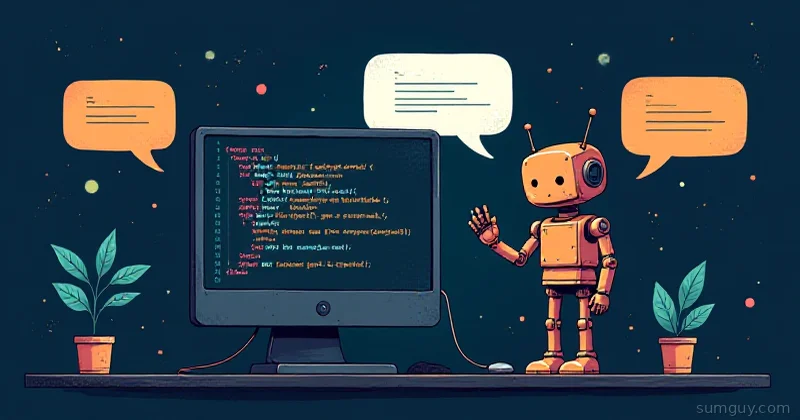
GitHub Copilot is great until you read the ToS. Continue.dev, Cody, and Tabby bring AI code assistance to your editor with local or self-hosted models, no code leaves your machine.

Every RAG tutorial says 'just use Chroma.' Then you hit production. Here's what Qdrant, Weaviate, and ChromaDB actually offer and when each one earns its place.