
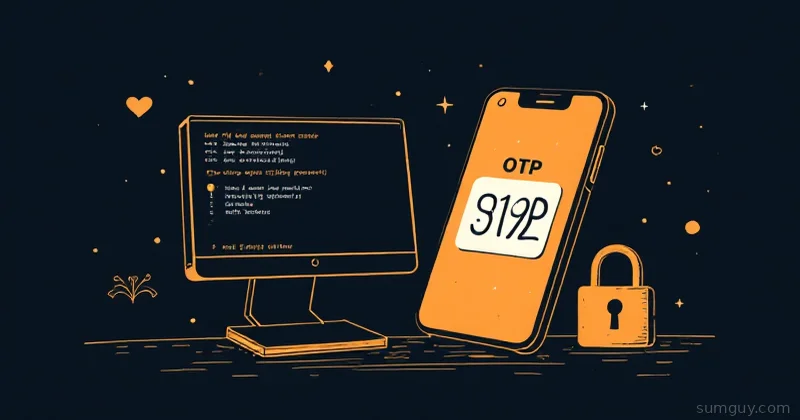
2FA for SSH and sudo via PAM
Adding TOTP to SSH and sudo takes 10 minutes and makes password spray attacks useless. Here's the setup that won't lock you out of your own server.
All the articles with the tag "linux".
Adding TOTP to SSH and sudo takes 10 minutes and makes password spray attacks useless. Here's the setup that won't lock you out of your own server.

Cron has been scheduling your jobs since before you were born. Systemd timers do everything cron does, plus logging, dependencies, and missed-run recovery.

Managing authorized_keys across 10 servers is how you lose track of who has access to what. An SSH CA lets you sign keys and revoke access without touching every server.
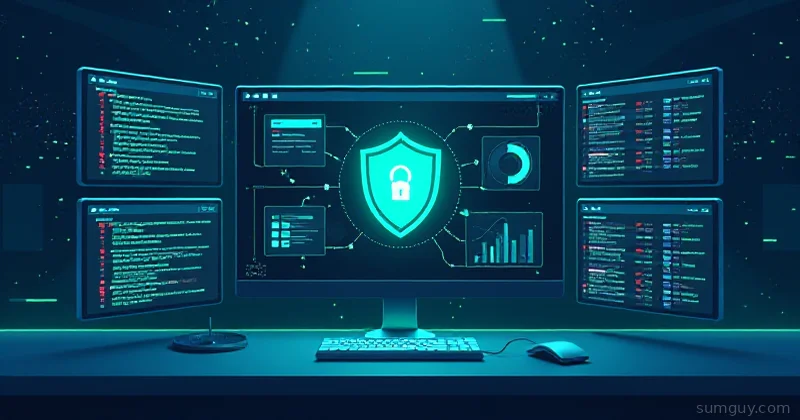
Wazuh gives you SIEM, HIDS, FIM, and threat detection in one stack. Here's how to deploy it in your home lab with Docker and actually use it.

ZFS is the paranoid fortress of filesystems. Btrfs is the scrappy upstart built into your kernel. Here's which one belongs in your home lab.

DRAM prices are killing the hobbyist SBC market, but there are still great options. Here's what's worth buying in 2026 for a sub-$200 homelab setup.

LUKS encrypts your drives so a stolen server is just expensive recycling. Here's how to set it up, manage keys, and unlock headless boxes remotely.

Run Docker containers without root privileges, here's the security difference, the install steps, and the gotchas nobody tells you about.

A kernel upgrade halved one team's PostgreSQL throughput. The fix was kernel tuning: huge pages, THP, swappiness, I/O scheduler. Here's what matters and why.

Attackers love finding ways to go from www-data to root. Here's how they do it, and more importantly, how you harden your Linux boxes to stop them.

Steam crossed 5% Linux usage in March 2026. Proton runs most Windows games without touching a config file. Here's the setup that makes Linux gaming not suck.

Turn on GPU acceleration in Chrome and Firefox on Linux with VA-API, Wayland, and WebGPU. The flags that work in 2026 and how to verify decode is real.